What is Eco Conscious Biodiversity? Gary Nabhan on being a Localvore
We
hear these words
today;
biodiversity, localvores, carbon
footprint, self-sufficient living and
sustainability. But what do they actually mean, and how important are
they for us today?
This is an article written by one of our guest submitters, Jack Lundee, who explains these issues by writing about Gary Nabhan and his unfailing push to get people to not only eat locally, but to also eat what is in season, and to only eat food that has come within a 250 mile radius.
Gary Nabhan is a champion of locally grown food that has been produced using non-genetically modified seeds and supporting heirloom vegetables and heritage animal breeds that are sadly, fast disappearing.
This is an article written by one of our guest submitters, Jack Lundee, who explains these issues by writing about Gary Nabhan and his unfailing push to get people to not only eat locally, but to also eat what is in season, and to only eat food that has come within a 250 mile radius.
Gary Nabhan is a champion of locally grown food that has been produced using non-genetically modified seeds and supporting heirloom vegetables and heritage animal breeds that are sadly, fast disappearing.
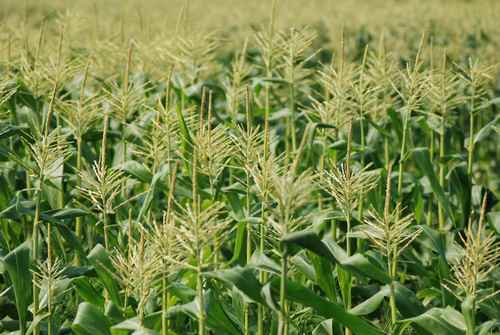

Eco Conscious Biodiversity
“In other environmental
issues we tell people to stop
something, reduce their impact, reduce their damage,” claims
Agriculturist Gary Nabhan. Nabhan is an ethnobotanist whose
endorsement
of biodiversity has captured the attention of many individuals over the
years. Since "Coming
Home to Eat" was printed in 2001, the local food
movement has caught fire, causing a global green epidemic, along with a
fight to match Nabhan’s philosophies.
Nabhan proposes that eating homegrown crops will have a greater impact on sustainability for our planet, ultimately reducing our carbon footprint. Otherwise known as “eat what you conserve,” this is a well-established theory in that by eating the fruits and vegetables that we are trying to conserve/save, we’re promoting the granular dissemination of various plant species.
There are many opponents of Nabhan’s theory however. In particular, a lot of scientists are struggling to yield crop from genetically modified seeds. – This is exactly the type of situation that proponents of biodiversity are looking to avoid.
Former President Clinton, Doug Band, and the Clinton Global Initiative (CGI) have supported the International Rice Research Institute (IRRI) on rice seed modification in an effort to create a more sustainable rice crop. This attempt is classified as a direct result of climate change, and the handful of people that support thoughts like this believe that we’re attempting to fix human-created problems.
Recent studies have demonstrated these modified seeds and their ability to fail completely, leaving hundreds of thousands of dollars in crop to waste. Herein lies the argument; most would say that we’re actually creating further problems with genetically altered crops.
Nabhan proposes that eating homegrown crops will have a greater impact on sustainability for our planet, ultimately reducing our carbon footprint. Otherwise known as “eat what you conserve,” this is a well-established theory in that by eating the fruits and vegetables that we are trying to conserve/save, we’re promoting the granular dissemination of various plant species.
There are many opponents of Nabhan’s theory however. In particular, a lot of scientists are struggling to yield crop from genetically modified seeds. – This is exactly the type of situation that proponents of biodiversity are looking to avoid.
Former President Clinton, Doug Band, and the Clinton Global Initiative (CGI) have supported the International Rice Research Institute (IRRI) on rice seed modification in an effort to create a more sustainable rice crop. This attempt is classified as a direct result of climate change, and the handful of people that support thoughts like this believe that we’re attempting to fix human-created problems.
Recent studies have demonstrated these modified seeds and their ability to fail completely, leaving hundreds of thousands of dollars in crop to waste. Herein lies the argument; most would say that we’re actually creating further problems with genetically altered crops.
Most experienced
agriculturists and
sustainability experts would agree with Gary Nabhan’s theories on
biodiversity, further bearing the notion of eat what you conserve. In
fact, well-known
agriculturist Marco Contiero portrays Nabhan’s
theories quite evidently in boldly stating, “biodiversity is an
essential characteristic of any sustainable agricultural system,
especially in the context of climate change.” Contiero
also believes
that people should start eating more localized crops, and spending less
time shopping for exotic fruits and vegetables.
Nevertheless, both conservationists rely on action-oriented approaches to providing greater sustainability through biodiversity. As eco-conscious individuals, we must all remember to play our role in promoting these same ideas; don’t hesitate to stop by your local farmers market to pick up tomatoes or strawberries. Congruently, be sure to pick up what’s in season and grown locally.
Nevertheless, both conservationists rely on action-oriented approaches to providing greater sustainability through biodiversity. As eco-conscious individuals, we must all remember to play our role in promoting these same ideas; don’t hesitate to stop by your local farmers market to pick up tomatoes or strawberries. Congruently, be sure to pick up what’s in season and grown locally.
Written by Jack Lundee.
Did you find this page helpful?
Sharing is a way of saying, "Thanks!"
Follow Us and Keep Up to Date
Add your Own Comments on Biodiversity and Being a Localvore!
We have lots of pages where you can contribute to throughout this homesteading website. We love hearing from our readers, and hope you will be one of those we hear from too. Tell us what you think about eco conscious biodiversity and the concept of being a localvore. We would love to hear your opinion.
Leave a Comment
Do you have anything that you would like to add after reading this page? We would love to hear your thoughts. If you can add additional information to what has been written here you will be adding value to the website! No need to have any special skills - just type and submit. We will do the rest!
Don't miss out on our latest news and articles. Sign up for our free monthly e-zine!
NAVIGATION COLUMN
Find us on Google+Home
Page
Country Shopping
Country StoreFree Stuff
Free MagazinesHomesteading Blogs
Country Living Blog Gypsy's WanderingsCountry Living
Country Home Country Living Country Crafts Country HolidaysCountry Real EstateCraft ForumPicnics CampingSelf-Sufficiency
Self-Sufficient Living Organic Gardening Do It Yourself Easy RecipesHomesteading
Homesteading Today Homesteading Q & A Homestead Animals Urban Homesteading Homestead DirectoryGoing Green
Green LivingFarms Around the World
South Africa United Kingdom United States Canada Central America Australia New Zealand Europe Farm Photos Farming Articles True Farming Stories Farms for Sale Organic Farm ProduceMiscellaneous
Guest Book Search Site Survey Advertise with Us [?] Subscribe To Countryfarm Lifestyles


OTHER SECTIONS OF INTEREST
 Natural
Pesticides
Natural
Pesticides Farm
Exchange
Farm
Exchange Farmers'
Directory
Farmers'
Directory Making
Soap
Making
Soap Country
Recipes
Country
Recipes
Country Crafts
Had the Best Farm
Holiday Ever? Come and tell us about your Experience!
 Tell
us about your best farm holiday spent on a ranch or farm and tell us
what made it so special. Farm holidays can make for a great holiday.
They are ideal if you are trying to save money or working to a small
budget. They also allow you to rest and relax in a way that busy
tourist
destinations simply cannot.
Tell
us about your best farm holiday spent on a ranch or farm and tell us
what made it so special. Farm holidays can make for a great holiday.
They are ideal if you are trying to save money or working to a small
budget. They also allow you to rest and relax in a way that busy
tourist
destinations simply cannot.How many of you have had such a holiday where you come back home feeling as if you need a holiday? Farm holidays are not like that. They provide great family holidays; uninterrupted horizons of rolling green hills, bucolic scenes of fields dotted with farm animals, and the peaceful silence that literally cannot be found anywhere in the city.
Did you have a wonderful time holidaying on the farm? Was it a guest farm or a private game farm in Africa where you saw African wildlife for the first time? Or was it in the Australian Outback on a large sheep station? Or perhaps you were on a ranch in America or a farm in England? Where did you go and what made your holiday so special?
Would you like to share your best farm holiday with everyone? You can even send in a picture! Tell us all about your fantastic holiday. There are no special skills, as long as you can use a keyboard and type, you can tell us about your holiday, using the form below.
FollowUs: Facebook, Twitter, Google+, Pinterest, RSS
 |
 |
 |
 |
 |
Have A Great Story About This Topic?
Do you have a great story about this? Share it!
Don't miss out on our latest news and articles. Sign up for our free monthly e-zine!
Go
from Best Farm Holiday back to Country Living
Return to Countryfarm Lifestyles and Homesteading
Return to Countryfarm Lifestyles and Homesteading
New! Comments
Do you have something of value to add? Leave me a comment in the box below.OTHER SECTIONS OF INTEREST
Natural
PesticidesFarm
ExchangeFarmers'
DirectoryMaking
SoapCountry
Recipes
Country Crafts
New! Comments
Do you have something of value to add? Leave me a comment in the box below.