Homemade Sourdough Bread Recipe Starter and Sponge
You will find that sourdough bread that has been made from a starter that has been around for a while usually tastes better and better each time it is made. Over time it looses its sharpness. This is because over time, wild yeasts in the air, end up in this starter, which helps to improve the taste.
However, there will always be some sharpness as this is what gives this bread its unique flavor.
So here is a sourdough bread recipe starter for those of you who are looking to make a delicious homemade bread. All sourdough starter recipes are basically the same.
How to Make a Sourdough Starter
At this stage your sourdough starter needs feeding, and you could end up adding as much as a kilo of flour before it is ready for the next stage. However, you don’t add it all at once. You start by adding 100g at a time into the starter mixture with enough water to retain the thick gloopy consistency. You can use water at room temperature but not cold water.
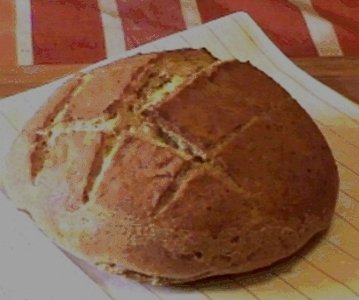 Cover the sourdough back up with a clean tea
towel and
leave again for 24 hours. Now,
scoop out half the starter and throw it away. Stir in another 100g
flour and add more water.
Cover the sourdough back up with a clean tea
towel and
leave again for 24 hours. Now,
scoop out half the starter and throw it away. Stir in another 100g
flour and add more water.
Repeat this process of throwing away
half the
sourdough starter and adding the 100g flour every day making sure that
you
maintain the sloppy consistency and keeping your
starter at room
temperature.
Always make sure that your sourdough starter can breathe. Therefore it should be always left on the kitchen counter covered with a loose tea towel. Never put it in an air-tight container.
After about 7-10 days with this
sourdough bread recipe you have a mixture
that no longer smells funky, but actually smells quite pleasant,
although you
will certainly smell the yeast at this stage.
For those of you who are going to bake
bread on a
regular basis you can maintain your sourdough starter in the same way,
keeping it
at room temperature, taking some out to make your sponge and feeding it
again with the 100g of flour. In this way you will always have a steady
supply of starter and you will never have to buy packaged yeast again.
For those of you who are not going to make sourdough bread every other day or so, then you will need to make sure that you treat the sourdough starter properly so that it does not spoil. You can do this by simply adding enough flour but no water so that it now becomes more of a stiff dough rather than a batter. You can leave it like this for about 4 days without feeding it. Or, you can stop the fermenting process by placing the sourdough batter in the fridge in a non-metal container and this will keep for a week without needing to do anything to it. You can also freeze the starter and it will start fermenting upon thawing.
If you are going to refrigerate your starter you will need to bring the starter back to room temperature and give it another feeding to get it bubbling again before you start the sourdough bread recipe of your choice.
To bring your sourdough batter back to
life, stir it up and feed it 1/2 cup flour, 1 cup lukewarm water and 1
teaspoon sugar.
The Sourdough Bread Recipe Starter Sponge
Your sourdough sponge should always be made either the night before you intend making your bread if you live in a cool climate, of for a couple of hours if you live in a warm, tropical climate.Room temperature will definitely affect the way your sourdough bread will turn out as warmer temperatures will get the sponge to work quicker. But the longer the sponge is working, the more sour your bread will turn out to be. If you let the sponge sit too long in warmer climates the yeast uses up all the sugars and stops making bubbles.
To make the sponge you take 100ml of the starter and mix it with 250 g of flour and 275ml of warm water in a large bowl. Mix well with your hands and then cover the bowl with the cling wrap and leave overnight. The next morning your sponge will be thick and bubbly.
Sourdough Bread Recipes
Sourdough Bread Recipe 1
Now it is time to make your sourdough. You add 300g flour to the sponge, along with the oil and the salt. Mix with your hands. The dough will be sticky. If not, add a little more water. If it is too loose you need to add more flour. Being on the wet side is better.Turn the sourdough out on to a lightly floured board and knead for about 10 minutes until the dough is smooth. Place in a large bowl and cover with a clean tea towel.
Leave it to rise all day or
overnight as sourdough rises very slowly, usually 6 hours. It should
have doubled in
size before you use it.
Knock it down and now place in lightly greased bread tins. Once the bread has risen again, and it doesn’t spring back when you poke it, it is ready to be baked.
Here is Another Sourdough Bread Recipe: Sourdough French Bread
- 1 cup sourdough starter
- 2 tsp. sugar
- 1.5 cups warm water
- 4 cups flour
- 2 tsp. salt
- 2 cups flour (for kneading)
- 1/2 tsp. baking soda
Method: First thing in the morning mix the starter, water, and 4 cups flour in a bowl. Put this in a warm place, cover loosely with a clean tea towel, and leave it for the rest of the day. By evening, it should have doubled and smell like your starter again.
Mix the sugar, salt, baking soda and 1 cup of flour together. Now sprinkle them over the dough, and mix well.
Turn the dough out onto a bread board and knead it well, using the remaining flour. Shape loaves and place them on lightly greased baking sheets. Let rise until doubled in bulk.
Slash tops of loaves with a sharp knife, brush them with well-beaten egg, and place in a 400°F oven.A pan of water on lower shelf of the oven can help make a crispy crust. Bake until lightly brown and bread sounds hollow when tapped underneath.
Enjoy!
Leave a Comment
Do you have anything that you would like to add after reading this page? We would love to hear your thoughts. If you can add additional information to what has been written here you will be adding value to the website! No need to have any special skills - just type and submit. We will do the rest!
Don't miss out on our latest news and articles. Sign up for our free monthly e-zine!
Go to Baking Recipes
Go to Soup Recipes
Go to Fish Recipes
Go to Chicken Recipes
Go to Pork Recipes
Go to Dessert Recipes
Go to French Recipes
Go to Italian Recipes
Go to Thanksgiving and Christmas Recipes
Return to Countryfarm Lifestyles and Homesteading


OTHER SECTIONS OF INTEREST
 Country
Recipes
Country
Recipes Bread
Recipes
Bread
Recipes Amish
Friendship Bread
Amish
Friendship Bread How to
Make Bread
How to
Make Bread
New! Comments
Do you have something of value to add? Leave me a comment in the box below.