Feeding Wild Birds in Winter Gardens and What they Eat
This past winter was particularly cold in some countries, and although the wildlife and birds will survive without your intervention, by putting food out for the birds in the wild will encourage them to visit you on a more regular basis. Half the fun in encouraging wild birds to your garden of homestead is that you never know what variety of bird will visit next.
There are some drawbacks and disadvantages to feeding wild birds that you should be aware of before you start. The first one being that if you have cats, or there are cats in the neighborhood make sure that you are not indirectly feeding the cats. If you find that you are, it is best that you don't feed the birds, or you modify your nets and bird feeders so that they are not accessible to cats.
The other problem you may encounter is that if there is a lot of grain lying around you may also encourage rats. Placing a PVC sleeve over any stake you may have used where you hang your feeders from will make it too slippery for either cats or rats to access.
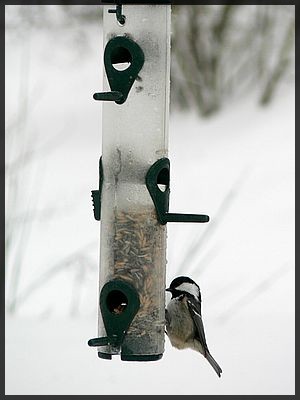

Feeding Wild Birds - What do Birds Eat?
Having gotten that out of the way, feeding wild birds is one of life's pleasures whether one lives in the country or not. Birds eat a number of different foods, from grass seeds, to worms, fruit, vegetables and the like.
You may decide to buy a bird feeder from a commercial supplier to place your homemade bird food in, or you can quite easily make a homemade bird feeds out of old orange bags, onion bags, an old wooden tray or similar material.
Know, however, that different types of wild birds feed at different levels. Therefore, if you wish to entice a variety of backyard birds to your garden then it makes sense to place the bird feeders at ground level, at tabletop level, and have bird feeders hanging from trees. In any event, always make sure that where you place them is in a sheltered position near trees and shrubs where they can fly to safety, if necessary.
Just make sure that your bird tables don't end up being a feeding table for neighboring cats. If you do have cats in the area, place your feeding tables away from fences and make sure that it is at least 8 foot off the ground. This, however, can then be a bit of an obstacle for you to place food on there every day.
If you are going to feed wild birds make sure that you feed them at the same time of day, every day. Birds like and expect a routine, and can become upset if they don't find their daily rations when they expect them. If you do go away, get someone to step in and feed the birds for you.
So What do Birds Eat?
Peanuts, Niger Seed (Thistle Seed), Millet and Sunflower seeds can all be used to feed your birds. Black-oil Sunflower seeds will attract the greatest variety of birds to your garden. Take care not to overfeed your birds in the beginning as you don't want the seed to spoil and make your feathered visitors ill. Increase the amount when your wild bird flock increases.Wild birds will also eat raisins, sultanas and currants, cooked and uncooked rice, dry porridge oats and cold, plain potatoes in all forms except chips. Although I know a couple of seagulls that wouldn't agree! But it is not healthy for humans or birds, so don't offer it to them.
Thrushes, tits and starlings like eating pieces of apple and pear.
Robins, wrens, blackbirds and song thrushes like eating mild grated cheddar cheese.
You can use the orange bags stuffed with suet, which you can get from your butcher, and hang these up in the trees during the colder months. Never feed wild birds suet in the warmer months as it will spoil and go rancid very quickly. Suet will attract woodpeckers and other insect-eating birds.
Feed it to them in large lumps otherwise you will find your birds flying off with it. You can also find a large branch of about a foot long and drill fairly large holes into the branch from one side to the other at intervals. This you can then fill with suet too and hang up in branches. If you really want to get creative you can mix cheese with the suet.
Both cheese and suet are good energy foods for birds in winter.
For those of you who live in frost-free areas and want to encourage hummingbirds into your garden, you can leave some saucers of sugar water around. On a tabletop where you have some slices of fruit and some mince meat, this will also bring feathered friends. Orange halves, apples, melons and grapes are firm favorites when feeding wild birds.
Bird seed can be bought commercially or you can make your own. The problem with a lot of commercial seed is that often it contains seeds that are cheap and used as 'fillers' that are not sought out by the birds. When the birds arrive they will pick out the sunflower seeds and the millet and leave the oats, buckwheat etc. which is then rather a waste.
You can make your own homemade bird seed quite easily.
Homemade Bird Seed Recipe
1 cup white millet, 1 cup cracked corn and 2 1/2 cups black-oil sunflower seeds.
If you do start feeding wild birds from your garden, you will certainly attract a number of visitors. However, they will also expect to be fed on a regular basis and will look to you for their source of food before foraging elsewhere. So if you start, it will be for the long term.
Homemade Seed Bell for Birds
Make a smooth paste with 2 tablespoons plain flour and 4 tablespoons cold water. Mix in 1 cup bird seed. Place on a piece of greased aluminum foil and shape into a bell. Into the center push a loop of wire for haning. Leaving the aluminum slightly open at the top back in a moderate oven for half an hour.
Porridge Recipe for Feeding Wild Birds
Take equal parts of honey, dripping, dried pea flour and instant oats. Melt the dripping over a low heat, remove from heat and add honey, and stir, then beat in the dry ingredients till it forms a thick paste. Put out in containers that are peck-proof!
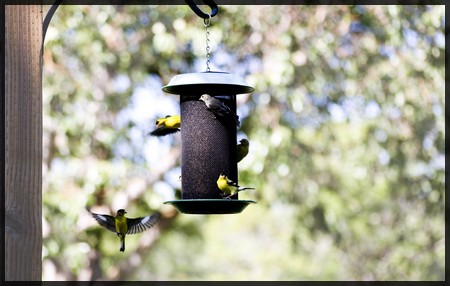
Feeding Wild Birds in Winter and Bird Feeding Tips:
- When you build your snowmen think about how you can add value to your wild bird life. Decorate your snowmen with fruit, nuts, vegetables and popcorn along with other food that you know your local wild birds love to eat. Make sure you build your snowman somewhere visible from your windows so that you can get the benefit of seeing the birds enjoying the feast.
- You can also hang large marrow bones in the trees that have been sawn in half - ask your butcher to do this for you. Make two loops in some wire and hang the marrow halves up. Birds really love this treat.
- Make wreaths out of cuttings from sorghum, wheat, millet and even sunflower heads and tie these to tree branches for the birds to enjoy.
- You can do the same with pine cones. Take the larger cones so that they can be filled more with a mixture of suet, sunflower seeds, raisins, peanut butter and cornmeal. Hang the pine cones in the trees.
- Make a homemade bird feeding table by placing a sturdy wooden post into the ground and drill a hole into the top of it.
Now cut up oranges, apples, grapes, etc. and leave small balls of the suet mixture made for the pine nut cones, or just stuff the pine cones and place them alongside the fruit on the tray.
- Wild birds also like popcorn and cranberries. Thread them onto some cotton and decorate your trees with them.
What NOT to Feed Wild Birds
- Feeding wild birds cheap peanuts is dangerous as the may contain harmful toxins that can kill some birds.
- Don't feed birds peanut butter on its own as it can cling to the inside of their beaks and may end up preventing them from swallowing or eating anything further. Mix the peanut butter with equal parts of corn meal to prevent this problem.
- Don't feed birds desiccated coconut as it can swell in the stomach and kill some birds.
- Don't feed wild birds spicy or salty food, salted nuts, bacon, crisps and snacks, margarine, moldy food or chocolate.
Follow Us: Facebook, Twitter, Google+, Pinterest, RSS
 |
 |
 |
 |
 |
Tells us how you feed your wild birds from your garden.
Leave a Comment
Do you have anything that you would like to add after reading this page? We would love to hear your thoughts. If you can add additional information to what has been written here you will be adding value to the website! No need to have any special skills - just type and submit. We will do the rest!
Other Comments
Click below to see comments from other visitors to this page...
Feeding Woodpecker Marrow Bones 
We are delighted to see a Great Spotted Woodpecker on our suet feeder in the garden. I hotfooted it to the local butcher for a Marrow Bone as my elderly …
Don't miss out on our latest news and articles. Sign up for our free monthly e-zine!
NAVIGATION COLUMN
Country Shopping
Country StoreFree Stuff
Free MagazinesHomesteading Blogs
Country Living Blog Gypsy's WanderingsCountry Living
Country Home Country Living Country Crafts Country Holidays Picnics CampingSelf-Sufficiency
Self-Sufficient Living Organic Gardening Do It Yourself Easy RecipesHomesteading
Homesteading Today Homesteading Q & A Homestead Animals Urban Homesteading Homestead DirectoryGoing Green
Green LivingFarms Around the World
South Africa United Kingdom United States Canada Central America Australia New Zealand Europe Farm Photos Farming Articles True Farming Stories Farms for Sale Organic Farm ProduceMiscellaneous
Guest Book Search Site Survey Advertise with Us


OTHER SECTIONS OF INTEREST
 Backyard
Birds
Backyard
Birds Country
Living
Country
Living Self
Sufficient Living
Self
Sufficient Living
New! Comments
Do you have something of value to add? Leave me a comment in the box below.