How to Make Soap at Home with Lye with Step-by-Step Instructions and Videos
Making soap at home can be a fun and rewarding experience and seldom takes more than an hour and a half out of your time. However, many of you may have been put off trying out this hobby after reading about all the dangers and cautions that go into soap making.
There are certain cautions that you do need to take, however, thousands of people around the world make homemade soap every day of the year safely and without getting hurt in any way. What it takes is a good dose of common sense are the realization that you are working with chemicals, especially lye, that is volatile if not handled correctly. However, once you have this knowledge and know what to look out for making soap becomes an great hobby and once bitten you will probably never buy another bar of soap again.
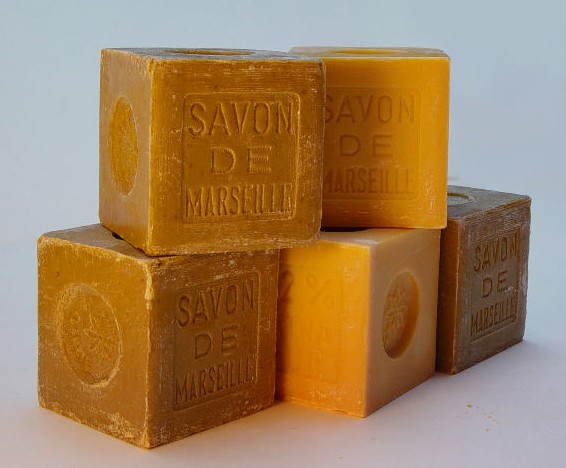
Here you will find easy,
step-by-step instructions on how to make soap at home,
how to make lye out of wood ash, and some soap recipes that will help
the novice or beginner soap maker to the more adventurous and advanced.
For those of you who want to make your own recipes with different fats
and oils and need guidance on how much caustic soda to use, have a look
at our Saponification
Chart.
Homemade soap makes for great gifts and you can do this from the easy milled soap process where you use plain white store bought soaps, or by using a cold process or a hot process both of which will be discussed at length. Once you have read our instructions, you may be further inspired by visiting our Country Corner Store for books on soap making, and also some basic soap making kits to get you started on how to make soap.
HOW TO MAKE SOAP AND SAFETY WHEN SOAP MAKING
It is true when I said that you can safely make soap at home. However, that safety relies on you making sure that you handle your ingredients with care and follow some simple precautions.HOW TO MAKE SOAP USING LYE
When it is all said and done, lye is caustic, corrosive, volatile and if not handled correctly can be very dangerous. However, if it is handled correctly it will be your friend, because the basic products to making soap is lye and fat. Lye can either be made from wood ash which is fun to do, because from start to finish you have made soap from scratch, or you can buy it at the store, usually found next to the drain cleaning products.The downside of using homemade lye is that it is not as consistent as the bought product, sometimes coming out too strong, or too weak, and therefore not giving your the desired results. However, when it does work, it is well worth the effort for the extra satisfaction it gives you. When buying your lye at the store, make sure that what you are buying is lye, which is 100% sodium hydroxide, and should contain nothing else.
HOW TO MAKE SOAP AND WEARING SAFETY GLOVES AND GLASSES
By wearing gloves and safety glasses you can prevent the lye from getting into your eyes and onto your skin. If it comes into contact with your skin it will burn immediately, make no doubt about that. Therefore, protection is very important. If you do get lye on your skin, wash with cold water and neutralize the area with vinegar.HOW TO MAKE SOAP - ADDING LYE TO WATER
Never add water to lye. Always add lye to water. The reason being is that when you add cold water to lye the liquid will heat up and could end up erupting like a volcano which is not a situation you want to find yourself in. Even when you add the lye to water correctly, you should still do so with caution.HOW TO MAKE SOAP -LYE AND FUMES
Make your soap in a well-ventilated room. When you work with lye it will give off fumes that are not very pleasant. When you have a well-ventilated room, this then helps.HOW TO MAKE SOAP - LYE AND CHILDREN
Because lye is caustic it is very harmful to children. Therefore if you have children in the home, make sure that your lye is placed far away from little fingers, preferably locked up in an area where children do not have access. And never make soap when small children are about, or pets for that matter, as accidents can happen very quickly.HOW TO MAKE SOAP - LYE IN POTS
Lastly, do not use aluminum pots as the lye will eat away at these. You should us a stainless steel pot that is kept only for making soap along with a spoon that has been reserved for this hobby. You can use wooden spoons but they will splinter and disintegrate over time. Plastic spoons and spatulas are good to use.HOW TO MAKE SOAP - EQUIPMENT FOR HOME SOAP MAKING
The best thing about homemade soap is that you can find all the soap making equipment you need at home and you can also improvise. You will need the following:* Rubber gloves
* Safety glasses
* Large, stainless steel pot
* Kitchen Scale
* 2 x 4 cup Glass or heavy plastic measuring jugs
* 2 x Stainless steel, sweet thermometers
* Wooden or plastic spoon
* Sharp, non-serrated, stainless steel knife
* Kitchen grater for milled soap
* Electric hand mixer
* Mold - you can use simple objects like a shoebox
* Cover for mold - heavy cardboard or plywood
* Old blanket
HOW TO MAKE SOAP - BASIC INGREDIENTS FOR MAKING SOAP
Soap was discovered way back in the days of the cavemen when fat from the cooked meat fell into the wood ash. From wood ash you get lye and lye and fats are your 2 basic ingredients to make soap along with some liquid, which can be water, goats' milk, cows' milk, herbal infusions etc.However, the type of fats and oils that you use will affect the final product.
- If you use beef fat in the form of beef suet, your soap will be brown.
- If you use pig fat in the form of lard, your soap will be white.
- If you use vegetable oils, you will end up with a creamy off white soap that will be softer than soaps made with beef or pig fat.
- Olive oil will give you a soap that can either be light-yellow or green in colour.
Of course, once you get the hang of it, you can be more adventurous and try other additives like colourants, herbal infusions and the like. But for now we are going to look at what process takes place when making soap and how one can make soap simply and safely without handling lye from store bought bars of white soap through a process called milling.
HOW TO MAKE SOAP - THE PROCESS OF MAKING SOAP
The lye and oils react to form a soap and glycerin product that starts as soon as these two ingredients are introduced to one another. As the ingredients heat up the reaction continues and even after you pour the mixture into your molds reactions are still taking place.
It is important that you add your lye and fat in the right proportions for your soap to be good.
| Lye | Fat |
| 2 tablepoons | 1 cup |
| 1/4 cup | 2 cups |
| 1/4 cup + 2 tablespoons | 3 cups |
| 1/2 cup | 4 cups |
| 1/2 cup + 2 tablespoons | 5 cups |
| 3/4 cup | 6 cups |
| 3/4 cup + 2 tablespoons | 7 cups |
| 1 cup | 8 cups |
| 1 cup + 2 tablespoons | 9 cups |
| 1 1/4 cup | 10 cups |
| 1 1/4 cup + 2 tablespoons | 11 cups |
| 1 1/2 cup | 12 cups |
| 1 1/2 cup + 2 tablespoons | 13 cups |
As you beat your soap mixture within 10 minutes to an hour, the soap will begin to 'trace'. That is, once a spoon is dragged through the mixture an indentation remains behind for a few seconds. Now you know that your soap has a good chance of being successful.
As your soap is left to harden and it loses water content, the lye becomes less and less active, and eventually, after 4 weeks your soap will be able to be used safely with no lye evident.
For those of you who don't know how to make soap the most difficult thing to get right is knowning when trace actually occurs and knowing when to stop stirring. We have an excellent video for you by David Fisher on this subject.
HOW TO MAKE SOAP - MAKING SOAP FROM RENDERED TALLOW
Make friends with your butcher, and see if he will save you the fat that he has trimmed from his meat. More than not, you will end up with a good lot of fat for nothing. Now, it won't be clean, and will invariably still have some meat and gristle attached. This is when one has to now boil the fat down with water in order to get a cleaner end product.
To do this, cut your fat into small pieces discarding as much meat and gristle as you can. If you can get your butcher to put it through a grinder for you, even better still. Now, place in a pot with enough water to just cover the suet. Add 1 tablespoon of salt for every pound of suet.
Watch your mixture and stir often. If you have put the suet through a grinder, then the fat should have melted within half an hour. However, the larger your fat pieces to start off with, the longer the melting process with take.
Place the mixture in a cool place undisturbed until the next day. What you are hoping for is a nice white disc of tallow that you can now use for making soap.
Not all fats are the same however, and you will want to adjust the heat of the fat accordingly when you add it to the lye water to get the best results.
| Type of Fat | Temperature |
| Vegetable Oil | 110-115 ºF |
| Goose | 115 ºF |
| Pork | 120 ºF |
| Beef | 130 ºF |
| Deer | 130 ºF |
| Sheep | 130 ºF |
Once you are happy that your tallow is clean, break it up into small pieces and use straight away. Or, if you are not ready to use it, place in a freezer bag for later use.
Tallow can be kept in your deep freeze for up to a year. If you feel that your tallow isn't as clean as it could be, repeat the melting process again, until you are satisfied with the result.
HOW TO MAKE SOAP - HOW TO PERFUME SOAP
HOW TO MAKE SOAP - PROBLEMS IN MAKING SOAP
Problems do occur from time to time unfortunately, and we have listed a couple of common soap problems and how to fix some of them.Grease on the top, liquid on the bottom - your mixture was either too hot or too cold. To fix the problem, pour the mixture into a dish and sit it in a pan of hot water. Stir this over a low heat till it combines again.
The soap separates as it hardens - Grate it up and add 400 ml water to each 500 g of soap. Stir and boil till it changes consistency and 'sheets' as you scoop it up.
Streaky Soap - it hasn't been mixed properly. Fix by the same process as for problem number 1.
Cracked Soap - it's been stirred too much, has too much caustic soda or has dried to fast, or got wet and then dried again.Greasy Soap - You have too much fat or oil in the mixture.
White deposits on the soap - Too much caustic soda, too much borax or very hard water has been used.HOW TO MAKE SOAP - HAND-MILLED SOAP
When choosing your plain white soap bar at the store make sure that you buy a bar that is white, unscented and not a detergent. Do not buy soaps that are deodorant soaps as these come with scents. Buy white bars that have been made for babies, hypo-allergenic soaps or pure vegetable oil soaps all of which should be unscented.
HOW TO MAKE SOAP IN A BLENDER (Courtesy of Elaine C. White)
1) Use with one-pound batches only.2) Use liquid fat at room temperature. Heat solid fats only until melted.
3) Dissolve the lye in cold water and wait until the mixture turns clear.
4) Put all ingredients into the blender (lye/water, fragrance--everything).
5) Lock the blender in position, *secure the cover* and process at the lowest speed.
6) Stop the blender and check the soap often to watch for a thin-trace stage.
When you stop the blender, wait a few seconds before removing the cover. Sometimes the soap "burps" when it stops (as a large amount of trapped air comes to the top).
7) At the thin trace stage, stop the blender. Stir the soap to check for tracing and to allow bubbles to escape.
Pour the soap into individual molds. Thats all there is to it!
HOW TO MAKE SOAP AND STARTING YOUR OWN SOAP MAKING BUSINESS
Are you tired of working for someone else? Or are you a stay-at-home mum looking to make extra income? There are lots of people who have been very successful at making a profit from their soap making cottage industry. Have a look at the books and DVDs on starting your own soap making business.However, some friendly advice. If you live in America, your soap business ventures will not have the same regulations that those living in Europe will have to wade through. In America, soap is classified as a detergent, whereas in Europe it is classified as a cosmetic. As a result, you may find that setting up such an cottage industry in Europe is just not worth all the hassle. However, there are ways around that, and one of them is to make soaps from a glycerine base which will allow you to sell that soap, fully compliant with the current European Union regulations regarding the sale of toiletries.
As in all new business ventures, do your homework first. Know what legalities exist and requirements needed to be fulfilled before you buy any expensive equipment or sign any long-leases for shops and stores.
See more information on soap making as well as some recipes for homemade soap.
Now that you know how to make soap how about visiting our soap recipes page forso that you can start making your very own homemade soap. Or, if you are looking for Soap Making Kits and books and magazines to buy online, then visit our Country Corner Store for all your soap making supplies.
 Interested in Learning how to Make
Money by Making Soap?
Interested in Learning how to Make
Money by Making Soap?
* Avoid costly mistakes
* gain access to tried and tested soap recipes
* create your own soap recipes
* Find out what supplies and equipment you need to get started
* Get TIps and advice from veteran soap makers
* learn how you can start a profitable business selling soap! Click Here!
Online Soap Classes
For those of you who would also like to take some online soap classes sign up today. Classes are done at your own pace working through 65 videos of step-by-step soapmaking as well as homemade cosmetics. Unique recipes that cannot be found anywhere else and gathered over the last 14 years of being in the soap making business. Click Here!The following free videos on how to make soap seen below are a great start to show you the basic in making soap. However, if you would like to know how to make high-end, super smelling soaps that you could turn into a home industry, then you will probably be interested in learning about the inner secrets to turning out soaps of high quality ready for sale at your local farmer's markets, community halls, or even from your own website. Soap Making Fun! This is a video that will teach you all there is to know! Don't just make soap, become a soap making master!
FREE VIDEOS ON HOW TO MAKE SOAP
HOW TO MAKE SOAP - INTRODUCTION
HOW TO MAKE SOAP - MIXING LYE & WATER
HOW TO MAKE SOAP - LINING THE MOULD
HOW TO MAKE SOAP - WARMING THE OILS
HOW TO MAKE SOAP - FINISHING THE SOAP
VIDEO ON HOW TO MAKE SOAP - CLEANING UP

BOOKS ON HOW TO MAKE SOAP AT HOME
You can Add your Own Comments and Pages!
We have lots of pages where you can contribute to throughout this website. We love hearing from our readers, and hope you will be one of those we hear from too. Look around our homesteading website. If you have any comments, recipes of your own, or questions, please add them by using this submission page below. We would love to have your contributions!
Leave a Comment
Do you have anything that you would like to add after reading this page? We would love to hear your thoughts. If you can add additional information to what has been written here you will be adding value to the website! No need to have any special skills - just type and submit. We will do the rest!
Other Comments
Click below to see comments from other visitors to this page...
Palm Free Soap 
I just wanted everyone to know that you can make a lovely hard soap without using any Palm Oil. Check out www.orangutan.org.au. to see why.
I have been …
Don't miss out on our latest news and articles. Sign up for our free monthly e-zine!
Go from Making Soap back to the Home Page


OTHER SECTIONS OF INTEREST
 Soap
Recipes
Soap
Recipes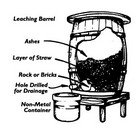 Make
Lye
Make
Lye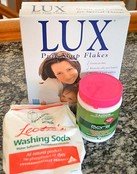 Homemade
Laundry
Homemade
LaundrySoap
 Saponification
Chart
Saponification
Chart
New! Comments
Do you have something of value to add? Leave me a comment in the box below.