Pests and Diseases of Fruit Trees with Solutions to the Problems
Pests and Diseases of Fruit Trees: Fireblight
I have had thrifty young trees, just coming into bear suddenly turn black in both wood and foliage, appearing in the distance as if scorched by a blast from a furnace. In another instance a large mature tree was attacked, losing in a summer half its boughs.
These
were cut out, and the remainder of the tree appeared healthy during the
following summer,
and bore a good crop of fruit. The disease often attacks but a
single branch or a small portion of a tree. The authorities advise
that everything should be cut away at once below all evidence of
infection and burned.
If the ground is poor, however, and the growth feeble, barnyard manure or its equivalent is needed as a mulch.
Pests and Diseases of Fruit Trees: Apple Blight
Pests and Diseases of Fruit Trees: Aphids
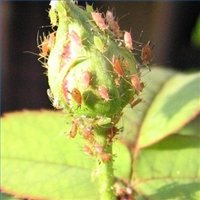 The
black and green aphids, or plant-lice, are
often very troublesome.
The
black and green aphids, or plant-lice, are
often very troublesome.Aphids appear in immense numbers on the young and tender shoots of trees, and by
sucking their juices
check or enfeeble the growth. They are the milch-cows of ants, which
are
usually found very busy among them.

Nature
apparently has made
ample provision for this pest, for it has been estimated that "one
aphid
individual in five generations might be the progenitor of six
thousand millions."
Aphids are
easily destroyed.
Prepare
a barrel of tobacco juice by steeping stems for several days, until the
juice
is of a dark brown color; we then mix this with soap-suds.
A pail is filled, and the ends of the shoots, where the insects are assembled, are bent down and dipped in the liquid. One dip is enough. Such parts as cannot be dipped are sprinkled liberally with a garden-syringe, and the application repeated from time to time, as long as any of the aphids remain.
The liquid can be so strong that it can damage the leaves; therefore it is better to test it on one or two subjects before using it extensively. Apply it in the evening.8 More ways to Prevent or Treat Aphid Damage
| 1. Encourage predators into your garden such as ladybirds, spiders and hoverflies. |
| 2. Go easy on the nitrogen fertilizers as the softer growth encourages aphids. |
| 3. Inspect vulnerable plants and break off and discard any affected pieces. |
| 4. Plant pot marigolds and nasturtiums close to any plants you want to protect. |
| 5. Spray affected plants with derris or very diluted washing-up liquid. |
| 6. Hang up strips of fat in the trees to attract blue tits who love eating aphid eggs. |
| 7. Use resistant plant varieties to start off with. |
| 8. Burn or bury heavily damaged plants. |
Pests and Diseases of Fruit Trees: Apple Scale
Pests and Diseases of Fruit Trees: Apple Tree Borer
In
June a brown and
white striped beetle deposits its eggs in the bark of the
apple-tree near the
ground. The larvae when hatched bore their way into the wood, and will
soon destroy a small tree. However, you will soon see their evidence if
you
are observant.
Sawdust
exudes from the holes by which they entered, and hopefully you are able
to discover them before they have done much harm. I
prefer to cut them out with a sharp, pointed knife, and make sure
that they are dead; but a wire thrust into the hole will usually
pierce and kill them.
Wood-ashes mounded
up against the base of
the tree are said to be a preventive. In the fall it can
be spread, and makes one of the best of fertilizers.
Pests and Diseases of Fruit Trees: Codling Moth
The codling moth, or apple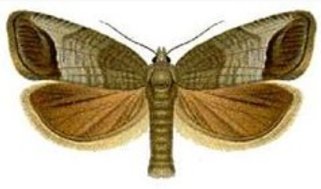 worm is
another enemy that
should be fought
resolutely, for it
destroys millions of pounds of fruit. Who has not seen the ground
covered with
premature and decaying fruit in July, August, and September?
worm is
another enemy that
should be fought
resolutely, for it
destroys millions of pounds of fruit. Who has not seen the ground
covered with
premature and decaying fruit in July, August, and September? Each specimen will be found perforated by a worm hole. The egg has been laid in the calyx of the young apple, where it soon hatches into a small white grub, which burrows into the core, throwing out behind it a brownish powder.
After about three weeks of eating the apple it eats its way out, shelters itself under the scaly bark of the tree. If allowed to be scaly, or in some other hiding-place, spins a cocoon, and in about three weeks comes out a moth, and is ready to help destroy other apples. This insect probably constitutes one of nature's methods of preventing trees from overbearing; but it so exaggerates its mission that it has become an insufferable nuisance.
Natural control of codling moth recommend that trees should be scraped free of all scales in the spring, and washed with a solution of soft soap. About the 1st of July, wrap bandages of old cloth, carpet, or rags of any kind around the trunk and larger limbs.
The apple worms will appreciate such excellent cover, and will swarm into these hiding places to undergo transformation into moths. Therefore the wraps of rags should be taken down often, thrown into scalding water, dried, and replaced. The fruit as it falls should be picked up at once and carried to the pigs, and, when practicable, worm-infested specimens should be taken from the trees before the worm escapes.
Pests and Diseases of Fruit Trees: Canker Worm
Pests and Diseases of Fruit Trees: Tent Caterpillar
Pests and Diseases of Fruit Trees: Cherry and Pear Slugs
Pests and Diseases of Fruit Trees: Mice
Pests and Diseases of Fruit Trees: Apple Scale
Put up plenty of bird houses for backyard birds such as bluebirds and wrens, and treat the little brown song-sparrow as one of your stanchest friends.
Don't miss out on our latest news and articles. Sign up for our free monthly e-zine!
Go to Organic Control for Codling Moth
Go to Garden Pests
Go to Natural Pesticides
Go to Pruning and Planing Fruit Trees
Go to Drying Fruit
Go to Self-Sufficient Living
Go to Homesteading Today
Return to Countryfarm Lifestyles and Homesteading


OTHER SECTIONS OF INTEREST
 Natural
Pesticides
Natural
Pesticides Garden
Pests
Garden
Pests Planting
Pruning Fruit Trees
Planting
Pruning Fruit Trees Growing
Apple Trees
Growing
Apple Trees Dwarf
Fruit Trees
Dwarf
Fruit Trees
Drying Fruit
Self Sufficient Living
New! Comments
Do you have something of value to add? Leave me a comment in the box below.